
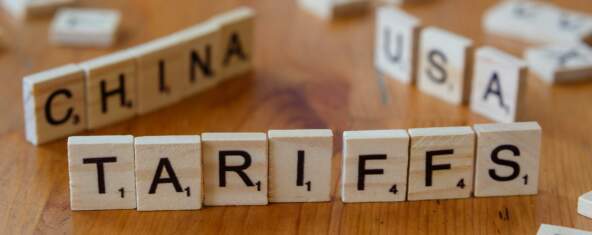
Tariff Stacking, Section 232 Updates & Practical Strategies for Today’s Importers. In April 2025, sweeping tariff actions reshaped global trade. For many importers, the complexity hasn’t slowed down since. Tariff stacking, evolving Section 232 measures, and overlapping duty programs are…

USTR: United States Adjusts Tariff Treatment for Indian Imports Under New Reciprocal Framework
USTR: United States Adjusts Tariff Treatment for Indian Imports Under New Reciprocal Framework
February 13, 2026/
Effective February 7, 2026, the United States will remove the additional 25 percent ad valorem duty on products of India entering the U.S. market. In place of that measure, Indian imports will be subject to a revised reciprocal “Liberation Day” tariff rate of 18 percent.
In addition, qualifying Indian goods will now be eligible under the Potential Tariff Adjustments for Aligned Partners (PTAAP) framework. PTAAP functions similarly to Annex II-style exclusions, allowing for targeted tariff adjustments; however, eligibility is contingent upon a country entering into a trade, investment, framework, or comparable bilateral agreement with the United States. This update reflects ongoing efforts to recalibrate tariff policy in alignment with strategic economic partnerships.
Related Posts

USTR: United States Concludes Labor Case at Mexico Auto Parts Facility
The United States announced the resolution of a labor enforcement case under the US Mexico Canada Agreement involving a manufacturing facility in San Luis Potosi. Following a review process led by federal agencies, authorities determined that corrective actions taken by the company and the Government of Mexico addressed concerns related to worker representation and organizing…
OFAC: Treasury Issues Temporary License for Russian Oil Shipments to India
The Office of Foreign Assets Control announced a temporary authorization allowing certain transactions tied to Russian oil exports to India. The measure provides limited relief for shipments that were already in progress before early March, offering clarity to companies navigating existing sanctions rules. Under General License 133, transactions that are ordinarily incident and necessary to…
USTR: 2026 Trade Agenda Targets Supply Chains China Balance and USMCA Review
The Office of the United States Trade Representative outlined its 2026 priorities with a focus on expanding the Agreement on Reciprocal Trade program, strengthening enforcement of existing trade agreements, and securing supply chains for critical minerals and strategic industries. The strategy includes efforts to re shore critical minerals mining and processing through a preferential trade…
DOJ: Courts Signal Refund Path as IEEPA Tariff Disputes Intensify
Recent court activity surrounding tariffs imposed under the International Emergency Economic Powers Act suggests the judiciary expects the administration to move toward issuing refunds. Judges reviewing the challenges have indicated that the legal basis for maintaining the tariffs in certain cases is weakening, and the government is under increasing pressure to clarify its next steps….