
Be prepared before an audit becomes a reality. Trade enforcement is increasing, and Customs expects companies to demonstrate reasonable care through strong compliance programs and well-documented processes. The best time to identify compliance gaps isn’t during an audit – it’s…

USTR: New Section 301 Fees Imposed on Chinese-Owned, Operated, and Built Vessels, Plus All Foreign Vehicle Carriers
USTR: New Section 301 Fees Imposed on Chinese-Owned, Operated, and Built Vessels, Plus All Foreign Vehicle Carriers
October 11, 2025/
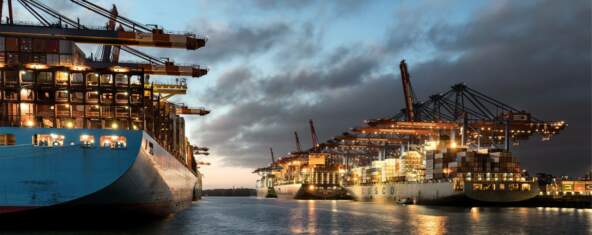
The Office of the United States Trade Representative (USTR) has announced new Section 301 fees targeting certain vessels with ties to China, as well as all foreign-built vehicle carrier vessels. These fees apply to vessels that are owned, operated, or built in China and are effective for arrivals on or after October 14, 2025. Vessel operators are solely responsible for determining whether their vessels are subject to these fees; U.S. Customs and Border Protection (CBP) will not make this determination on their behalf. All applicable fees must be remitted electronically through pay.gov.
Under Annex 1, vessels owned or operated by a Chinese entity will be assessed a fee of $50 per net ton upon arrival.
Under Annex 2, Chinese-built vessels will be assessed the higher of $18 per net ton or $120 per container discharged.
Under Annex 3, vessels classified as vehicle carriers or roll-on/roll-off (Ro-Ro) vessels, if foreign-built, will be assessed a fee of $14 per net ton.
Operators should review vessel ownership, operational control, build origin, and vessel classification carefully to ensure compliance prior to arrival.
Related Posts

USTR: Global Training Supports Action Against Forced Labor
USTR brought together more than 50 trading partners to help governments block imports produced with forced labor. The initiative supports international cooperation to protect workers and promote fair trade. Read More(opens in new tab)
WH: Executive Action on Customs Enforcement
The White House has issued an executive action related to customs enforcement and import compliance. The order directs federal agencies to update procedures for verifying importers, addressing potential duty violations, and expanding enforcement capabilities. It also calls for improvements in operational transparency across customs processes. The stated goal is to revise and update enforcement practices…
CBP: Discovery at JFK Leads to Arrest and Weapons Seizure in Kansas City
U.S. Customs and Border Protection officers at John F. Kennedy International Airport identified suspicious activity that prompted a wider investigation linked to Kansas City. The investigation resulted in an arrest and the seizure of weapons connected to the case. CBP continues to work with law enforcement partners to disrupt illegal weapons trafficking and protect public…
CA: Comprehensive Economic Partnership Agreement Signed
Canada and Indonesia have signed a Comprehensive Economic Partnership Agreement to strengthen trade and economic cooperation between the two countries. The agreement has received Royal Assent and is expected to enter into force following the completion of remaining implementation steps. The partnership will support increased market access, investment opportunities, and closer economic collaboration between Canada…