

Tariff Stacking, Section 232 Updates & Practical Strategies for Today’s Importers. In April 2025, sweeping tariff actions reshaped global trade. For many importers, the complexity hasn’t slowed down since. Tariff stacking, evolving Section 232 measures, and overlapping duty programs are…

How One Importer Recovered $8 Million and Transformed a Loss into Leverage
How One Importer Recovered $8 Million and Transformed a Loss into Leverage
February 16, 2026/

Nic Arters
Director, Star USA
When the phone rang, the voice on the other end wasn’t panicked, but it was close. A client in the industrial equipment space had hit a wall. Their warehouse was packed with electrostatic spray guns purchased during the height of the COVID pandemic. Demand skyrocketed in 2020, but now, it’s evaporated. What’s more, sales stalled, and inventory was aging; every day it sat unsold, it drained cash and devoured storage space.
Our client already paid duties on the imports. Disposing of the stock felt like lighting money on fire. What they needed was a strategy. They came to us looking for options; we came back with a plan.
The Challenge: Millions in Inventory, Nowhere to Go
During the COVID-19 surge, this manufacturer had acted fast to meet market needs. They ramped up imports to meet demand for high-grade spray equipment used in sanitation and surface disinfection.
Things were going very well, until they weren’t.
As markets normalized, so did the need for their product. What was once a smart pivot became a financial strain. Millions in paid duties were effectively trapped in inventory that could no longer be sold. While writing it off was one option, it came with regulatory headaches and zero return.
Their main question was, “Is there a path to recovery that doesn’t jeopardize compliance?” We believed there was.
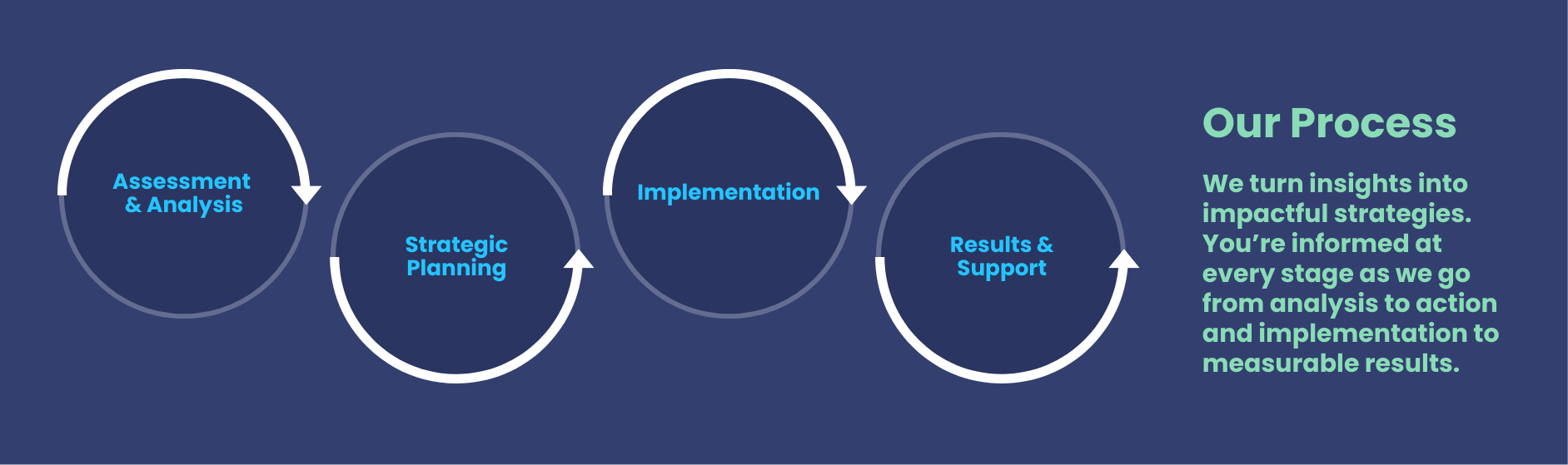
The Solution: Precision Over Guesswork
We started by reviewing their import activity and matching it against Customs and Border Protection (CBP) criteria for duty drawback, specifically for unused merchandise destruction. We were in luck, and their goods qualified!
With that green light, we moved quickly. Our team coordinated across their internal logistics and compliance departments while managing third-party destruction vendors and CBP oversight. We modeled potential refund scenarios early in the process so the client could make a financially informed decision before proceeding.
Documentation, timing, and chain of custody all had to align. That’s where our integrated team of compliance, finance, and operations specialists made the difference. Every step, from feasibility to execution, was anchored in the goal of minimizing risk while maximizing recovery.
The Approach: Heavy Lifting, Handled
We managed the end-to-end execution: claim prep, CBP communication, destruction scheduling, and entry reconciliation. Their internal teams remained involved but not overwhelmed. That balance let them stay focused on day-to-day operations while we tackled what felt like a mountain of paperwork.
A major hurdle emerged, though: fragmented data. We faced multiple brokers and inventory systems. Our team geared up to normalize the records, align entries, and secure CBP confirmation on our methodology before submission.
Expertise at Your Fingertips
Navigate the global market with precision.
The Impact: Financial Win, Strategic Shift
The client recovered more than $8 million in duties and fees. These are real numbers, not a projection! What once felt like dead weight on their balance sheet turned into usable capital. The warehouse space was cleared, and the cost drag was cut.
Aside from the recovered funds, something more important happened. Our client’s view of compliance evolved. What began as a reactive problem became a strategic inflection point. They saw, maybe for the first time, that compliance can be a tool for driving real financial performance.
Lessons for the Industry
There’s a broader message here for importers. Obsolete stock doesn’t always have to be a loss. CBP’s destruction drawback program exists for a reason, but few companies take advantage of it, either because they’re unaware or because they assume it’s too complex to pursue.
It’s not, at least not when you have the right partner on your side.
Any company carrying aging inventory or watching demand trend downward should consider a duty recovery strategy before disposal or export. If you’re in a tough situation like this client was, reach out to my team.
Related Posts
Be Ready for CBP’s New CAPE System: Automatic IEEPA Tariff Refunds
Nic ArtersDirector, Star USA Customs and Border Protection (CBP) advised that they are developing a new refund system called the Consolidated Administration and Processing of Entries, or CAPE, within its existing Automated Commercial Environment (ACE) portal. CAPE is designed with four integrated components that guide refund requests from initial submission through to electronic payment. While…

Executive Trade Compliance Dashboard: Setup Tips & Metrics
Nic ArtersDirector, Star USA For executives at your business, making decisions without a trade compliance dashboard can feel like driving to an unfamiliar destination without a map or GPS. They’ll likely get where they want to go, but it may involve missed turns and obstacles. Like a map, a trade compliance dashboard helps executives make…
Year-End Trade Compliance Checklist: Prepare for a Successful Year Ahead
Nic Arters Director, Star USA As our Star USA team ramps up to next year, I can’t help but reflect on the trade compliance landscape of 2025. The global trade landscape shifted with new regulations, evolving sanctions, and technological advancements, making trade compliance a moving target. Next year looks like it will be similar. …
The End of De Minimis – What does it mean for your business?
Nic Arters Director, Star USA Overview For years, Section 321 allowed for one shipment per person or business per day that was valued at or under $800.00 USD to be imported duty free or “sectioned.” However, this exemption has been deemed to be a “loophole” that will cease to exist on August 29th, 2025, following…